🐟 Your Next Aquarium Upgrade Starts Here — Shop In-Stock Supplies Online + Discover Fish, Coral, Plants & Pond Favorites In Store

Home  /  Care Library  /  Freshwater Fish
Freshwater Fish · Species Guide

Aequidens Diadema: A Calm-Tempered South American Cichlid

Aequidens diadema offers the shape, personality, and territorial behavior people expect from a cichlid, while often fitting more comfortably into a thoughtfully planned community of similarly sized fish.

Aequidens diadema, sometimes sold in the aquarium trade as the Royal Acara, is a medium-sized South American cichlid with an iridescent body, patterned face, and the confident behavior that makes cichlids such engaging aquarium fish.

Tank Size & Setup

Caesar's original guide uses a 30–40+ gallon aquarium for a pair as a starting point. As with most territorial cichlids, a larger footprint gives the fish more room to establish space and makes it easier to create visual barriers.

Provide open swimming room along with caves, driftwood, rockwork, and planted or shaded areas. Multiple hiding places are especially useful if the fish pair up or become more territorial around spawning.

Water Parameters

Stable, clean tropical freshwater matters more than chasing a narrow number. FishBase reports Aequidens diadema from the upper Negro and Orinoco river basins and lists a tropical temperature range of roughly 23–28°C (73–82°F).

Use appropriately sized filtration, perform regular water changes, and avoid sudden swings in temperature or water chemistry. If your tap water differs significantly from the conditions the fish was raised in, make adjustments gradually.

Diet

This is a straightforward cichlid to feed in the aquarium. Build the diet around a good-quality cichlid pellet or granule, then add variety with frozen foods such as bloodworms, brine shrimp, or mysis shrimp.

Offering several food types helps provide broader nutrition and keeps feeding behavior interesting without relying heavily on one rich food.

Temperament & Tank Mates

The appeal of this species is its relatively manageable temperament compared with many larger cichlids, but “calm” does not mean completely non-territorial. Individuals and bonded pairs can become more assertive when establishing a territory or breeding.

Choose similarly sized, robust community fish and avoid tiny or extremely timid species. Larger tetras, barbs, rainbowfish, or compatible cichlids may work when the aquarium provides enough room and visual separation.

Good to Know

Older aquarium references and trade listings may use names such as Royal Acara, Bujurqui, or Pendex cichlid. Scientific identification matters because closely related South American cichlids can be sold under overlapping common names.

FishBase reports that this species spawns on substrate and that, after hatching, both parents may take the larvae into their mouths—a particularly interesting reproductive behavior to watch if a compatible pair forms.

Give territorial fish room to negotiate

Bring your aquarium dimensions, current fish list, filtration, and a photo of the layout when you visit Caesar's. The team can help you decide whether your tank has enough room, cover, and compatible livestock for an Aequidens pair.

← Back to the Care Library

Care Library Complete

Explore all Caesar's care guides

Browse freshwater, saltwater, coral, pond, and plant guides, then visit Caesar's Tropical Fish in Santa Rosa for current livestock availability and setup-specific guidance.

Browse the Care Library

More Posts

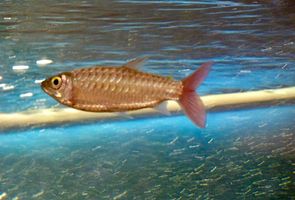
Pink Tail Chalceus: Fast, Silver, and Easy to StartlePink Tail Chalceus: Fast, Silver, and Easy to Startle
Pink Tail Chalceus: Fast, Silver, and Easy to Startle

Meet the Pink Tail Chalceus, a fast-moving South American freshwater fish known for its silver body, colorful tail, and impressive jumping ability. Learn about tank size, secure lids, filtration, feeding, group behavior, and compatible tank mates before adding this active species to your aquarium.


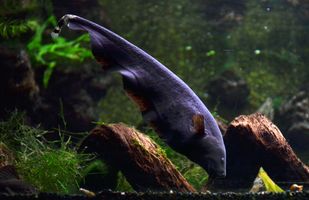
Black Ghost Knifefish: The Aquarium’s Nighttime NavigatorBlack Ghost Knifefish: The Aquarium’s Nighttime Navigator
Black Ghost Knifefish: The Aquarium’s Nighttime Navigator

Meet the Black Ghost Knifefish, one of the freshwater hobby’s most unusual species. Learn about its large-tank needs, nocturnal behavior, carnivorous diet, preferred hiding places, water temperature, and compatible tank mates before adding one to your aquarium.

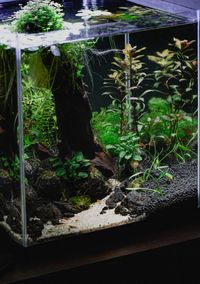
Low-Light Aquarium Plants That Actually SurviveLow-Light Aquarium Plants That Actually Survive
Low-Light Aquarium Plants That Actually Survive

Want a planted aquarium without high-powered lighting or injected CO₂? This guide covers four dependable low-light plants—Anubias, Java fern, Java moss, and Cryptocorynes—and explains where to place them, how they grow, and what beginners should expect.

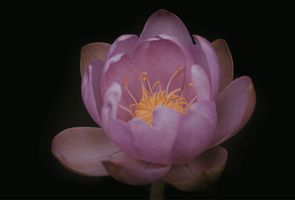
Water Lilies and Marginals for BeginnersWater Lilies and Marginals for Beginners
Water Lilies and Marginals for Beginners

Water lilies and marginal plants can do much more than decorate a pond. Learn how to choose beginner-friendly varieties, provide the right sunlight and planting depth, use plants to support pond balance, and leave enough space for healthy seasonal growth.


Koi 101: Stocking Your First Pond.Koi 101: Stocking Your First Pond.
Koi 101: Stocking Your First Pond.

Koi can live for decades and grow much larger than many first-time pond owners expect. Learn how to plan pond volume, depth, filtration, seasonal feeding, and quarantine so your first koi have room to grow and stay healthy long term.


Coral Frags 101: LPS vs. SPS vs. Soft CoralCoral Frags 101: LPS vs. SPS vs. Soft Coral
Coral Frags 101: LPS vs. SPS vs. Soft Coral

Soft coral, LPS, and SPS can have very different care needs. Learn how the three common reef-hobby groups differ in lighting, flow, stability, placement, spacing, and experience level so you can choose coral frags that actually fit your aquarium.

Choosing Your First Reef FishChoosing Your First Reef Fish
Choosing Your First Reef Fish

Not every saltwater fish is a good first reef fish. Learn which beginner-friendly choices are easier to start with, which fish are better saved for later, and how to build a sensible stocking plan without overwhelming a new marine aquarium.

Anemones: A Reef Tank's Living CenterpieceAnemones: A Reef Tank's Living Centerpiece
Anemones: A Reef Tank's Living Centerpiece

Anemones: A Reef Tank's Living Centerpiece

Clown Fish: The Reef's Favorite RoommateClown Fish: The Reef's Favorite Roommate
Clown Fish: The Reef's Favorite Roommate

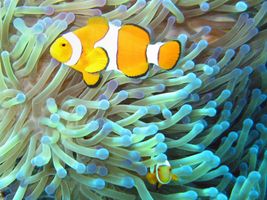
Clownfish are colorful, hardy marine favorites known for their famous relationship with anemones — but they do not actually need one to thrive. Learn about tank size, feeding, pairing, temperament, anemones, and setting up a healthy home for a clownfish pair.