🐟 Your Next Aquarium Upgrade Starts Here — Shop In-Stock Supplies Online + Discover Fish, Coral, Plants & Pond Favorites In Store

Home  /  Care Library  /  Freshwater Fish
Freshwater Fish · Species Guide

Black Ghost Knifefish: The Aquarium's Nighttime Navigator

With its deep black body, ribbon-like movement, and ability to navigate using a weak electrical field, the Black Ghost Knifefish is one of the most unusual freshwater fish in the hobby—and one that deserves a tank planned around its adult size.

The Black Ghost Knifefish (Apteronotus albifrons) is a nocturnal South American freshwater fish known for its striking black body and smooth, almost floating movement. It uses a weak electrical field to help navigate and locate prey in low light, and it grows large enough that its long-term aquarium should be planned from day one.

Tank Size & Setup

Black Ghost Knifefish grow well beyond the size of a typical community fish. Caesar's original guide recommends planning on a 150+ gallon aquarium for a full-grown fish, with plenty of uninterrupted room to move.

Use smooth substrate and provide driftwood, rockwork, caves, or dense planting that creates secure daytime hiding places. Because this species is primarily active after dark, subdued lighting and shaded areas help it feel more secure.

Filtration & Water Parameters

Large fish create a meaningful bioload, so strong, well-maintained filtration is important. Keep water quality stable and avoid sudden changes in temperature or chemistry.

The original Caesar's guide uses 74–80°F as its temperature range. Black Ghost Knifefish are weakly electric fish, using specialized electrical signals for navigation and communication, so aquarium equipment should be kept in excellent working condition and the environment should remain stable.

Diet

Black Ghost Knifefish are carnivorous and appreciate a varied, protein-rich diet. Offer appropriately sized meaty foods such as frozen bloodworms, mysis shrimp, brine shrimp, and other quality frozen foods.

A good sinking carnivore pellet can help round out the diet and makes it easier to provide consistent nutrition without relying entirely on frozen foods. Because the fish is nocturnal, feeding later in the day or after the lights dim may make it easier for a shy individual to eat confidently.

Temperament & Tank Mates

Despite their dramatic appearance, Black Ghost Knifefish are often shy and reclusive. They need peaceful surroundings and places where they can retreat during the day.

Choose tank mates with adult size in mind. Very small fish may be viewed as prey, while highly aggressive or relentlessly active species can make a Black Ghost Knifefish uncomfortable. Large, peaceful fish that occupy different areas of the aquarium are generally more sensible candidates.

A Couple of Fun Facts

  • Black Ghost Knifefish generate a weak electrical field and use specialized receptors along the body to help navigate and locate prey.
  • The electrical signals are also involved in communication with other weakly electric knifefish.
  • Instead of swimming like most fish, they can glide forward and backward by undulating the long fin running along the underside of the body.
Plan for the adult fish, not the juvenile

Bring your tank dimensions, filtration, current livestock, water temperature, and a photo of the aquarium when you visit Caesar's. The team can help you decide whether your setup has the space, hiding structure, and compatible tank mates this unusual species needs long term.

← Back to the Care Library

Keep Learning

Explore more freshwater fish guides

Research before you stock, then visit Caesar's Tropical Fish in Santa Rosa for current livestock availability and aquarium-specific guidance.

Browse the Care Library

More Posts

Aequidens Diadema: A Calm-Tempered South American CichlidAequidens Diadema: A Calm-Tempered South American Cichlid
Aequidens Diadema: A Calm-Tempered South American Cichlid

Meet Aequidens diadema, a South American cichlid known for its iridescent coloration and comparatively manageable temperament. Learn about aquarium size, water conditions, feeding, territorial behavior, compatible tank mates, and its unusual breeding behavior before adding a pair to your aquarium.

Pink Tail Chalceus: Fast, Silver, and Easy to StartlePink Tail Chalceus: Fast, Silver, and Easy to Startle
Pink Tail Chalceus: Fast, Silver, and Easy to Startle

Meet the Pink Tail Chalceus, a fast-moving South American freshwater fish known for its silver body, colorful tail, and impressive jumping ability. Learn about tank size, secure lids, filtration, feeding, group behavior, and compatible tank mates before adding this active species to your aquarium.


Low-Light Aquarium Plants That Actually SurviveLow-Light Aquarium Plants That Actually Survive
Low-Light Aquarium Plants That Actually Survive

Want a planted aquarium without high-powered lighting or injected CO₂? This guide covers four dependable low-light plants—Anubias, Java fern, Java moss, and Cryptocorynes—and explains where to place them, how they grow, and what beginners should expect.

Water Lilies and Marginals for BeginnersWater Lilies and Marginals for Beginners
Water Lilies and Marginals for Beginners

Water lilies and marginal plants can do much more than decorate a pond. Learn how to choose beginner-friendly varieties, provide the right sunlight and planting depth, use plants to support pond balance, and leave enough space for healthy seasonal growth.


Koi 101: Stocking Your First Pond.Koi 101: Stocking Your First Pond.
Koi 101: Stocking Your First Pond.

Koi can live for decades and grow much larger than many first-time pond owners expect. Learn how to plan pond volume, depth, filtration, seasonal feeding, and quarantine so your first koi have room to grow and stay healthy long term.


Coral Frags 101: LPS vs. SPS vs. Soft CoralCoral Frags 101: LPS vs. SPS vs. Soft Coral
Coral Frags 101: LPS vs. SPS vs. Soft Coral

Soft coral, LPS, and SPS can have very different care needs. Learn how the three common reef-hobby groups differ in lighting, flow, stability, placement, spacing, and experience level so you can choose coral frags that actually fit your aquarium.

Choosing Your First Reef FishChoosing Your First Reef Fish
Choosing Your First Reef Fish

Not every saltwater fish is a good first reef fish. Learn which beginner-friendly choices are easier to start with, which fish are better saved for later, and how to build a sensible stocking plan without overwhelming a new marine aquarium.

Anemones: A Reef Tank's Living CenterpieceAnemones: A Reef Tank's Living Centerpiece
Anemones: A Reef Tank's Living Centerpiece

Anemones: A Reef Tank's Living Centerpiece

Clown Fish: The Reef's Favorite RoommateClown Fish: The Reef's Favorite Roommate
Clown Fish: The Reef's Favorite Roommate

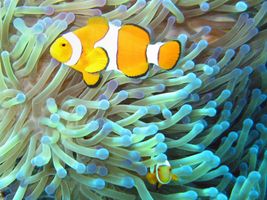
Clownfish are colorful, hardy marine favorites known for their famous relationship with anemones — but they do not actually need one to thrive. Learn about tank size, feeding, pairing, temperament, anemones, and setting up a healthy home for a clownfish pair.