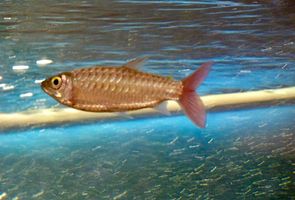
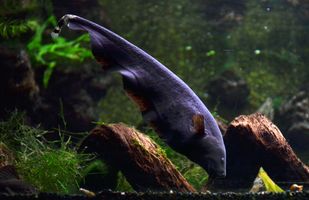
Flagtail Prochilodus (Semaprochilodus insignis) are built to move. In the wild they occur in the Amazon basin and migrate through river systems in large groups, grazing as they go. In the aquarium, that same active lifestyle means they need much more room, filtration, and planning than their peaceful appearance might suggest.
Tank Size & Setup
Plan around the adult fish, not the juvenile you bring home. Published records place Semaprochilodus insignis at roughly 12 inches or more in adult length, and aquarium references consistently recommend a long, spacious tank with plenty of open swimming room.
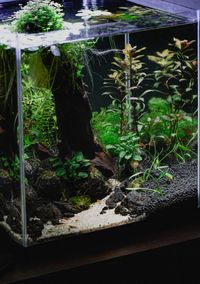
For most home setups, think of 125 gallons as a starting point for a single adult, with substantially more room required if you want to maintain a group. Avoid crowding the entire footprint with décor. Sand, smooth rock, and sturdy driftwood work well because they leave grazing surfaces while keeping the center of the tank open.
Diet & Feeding
Flagtails are natural grazers. Their mouth is adapted to work over surfaces for algae, biofilm, detritus, and fine plant material. A mature aquarium may provide some natural grazing, but it will not supply enough food on its own.
Build the diet around quality spirulina or algae-based sinking foods and other vegetable-rich staples. Blanched zucchini, cucumber, spinach, and similar foods can add variety. They may also accept general omnivore foods, but plant-based nutrition should remain a major part of the routine.
Water Parameters & Filtration
This is a large, active grazer that can produce a meaningful bioload, so filtration should be sized generously. Strong biological filtration, good oxygenation, and consistent water changes are more important than chasing a single exact number.
A useful starting range is 72–79°F with moderately soft to neutral water; FishBase reports a pH range of roughly 5.5–7.2 for the species. Stability and clean water matter more than trying to force your aquarium to the edge of that range.
Temperament & Tank Mates
Flagtail Prochilodus are generally peaceful toward other appropriately sized fish, but their relationship with their own species needs more thought. In nature they are schooling fish, yet small groups in undersized aquariums can become quarrelsome.
If you have the space for a true group, use a very large aquarium and avoid keeping only two or three. Otherwise, a single specimen in a large community is often the more realistic option. Choose robust, similarly sized tank mates and avoid very small fish that could be stressed or accidentally eaten.
Plants, Algae & Décor
Do not buy a flagtail as a simple “cleanup fish.” It will graze constantly, but that does not replace normal tank maintenance. Soft-leaved plants may also be nibbled, so heavily planted displays are not always the easiest match.
Instead, use hardscape strategically: driftwood, smooth stones, and other surfaces can encourage natural grazing behavior while preserving plenty of open water for swimming.
A Couple Fun Facts
- The genus name Semaprochilodus refers in part to the fish's distinctive “flag” appearance.
- Wild populations are migratory, moving through Amazonian river systems as part of their natural life cycle.
- The species is commercially traded for aquariums, but its eventual size makes it much better suited to experienced keepers with large systems.
Planning to add one?
Bring your tank size, filtration details, and current stock list when you visit Caesar's. The team can help you decide whether a Flagtail Prochilodus makes sense for your existing setup before you buy.
← Back to the Care Library