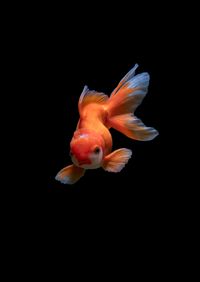
Betta splendens may be one of the most recognizable aquarium fish in the world, but they are also one of the most misunderstood. Their ability to breathe air at the surface helps them survive low-oxygen conditions in nature; it does not mean they thrive in dirty water, room-temperature bowls, or tiny containers.
The Bowl Myth
A betta can survive for a time in very little water, but survival is not the same as good care. Small bowls change temperature quickly, accumulate waste quickly, and leave little room for enrichment or stable filtration.
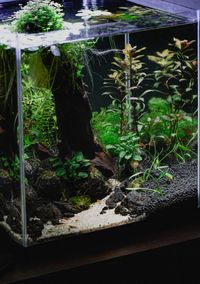
For a single betta, a 5-gallon aquarium is a practical minimum starting point, and larger tanks are often easier to keep stable. A lid is important because bettas can jump, and the tank should still leave open access to the water's surface.
Heat, Filtration & Water Quality
Bettas are tropical fish. Aim for a stable temperature around 76–81°F with a properly sized aquarium heater and thermometer. Sudden temperature swings are far more stressful than a consistent tank at the correct range.
Use a gentle filter with low or adjustable flow. Long-finned varieties can tire easily in a strong current, but filtration is still valuable for biological stability and water quality. Keep ammonia and nitrite at zero, monitor nitrate, and perform regular partial water changes with conditioned water.
Food & Feeding
Bettas are primarily carnivorous. Feed a quality betta pellet or other high-protein staple, with frozen or appropriately sized live foods as occasional variety. Their stomachs are small, so measured portions are better than repeatedly adding food until they stop eating.
Overfeeding can foul the water and contribute to digestive problems. A consistent routine with small portions is usually the better approach.
Fins, Plants & Décor
Those dramatic fins need protection. Avoid sharp plastic plants, rough rocks, narrow openings, and decorations with edges that can snag delicate finnage. Live plants, silk plants, smooth wood, and broad resting leaves are all useful choices.
Bettas also appreciate cover without having the entire surface blocked. They regularly rise to breathe using their labyrinth organ, so keep part of the surface open and easy to reach.
Can Bettas Have Tank Mates?
Male bettas should not be housed together. Individual temperament also varies, so community setups require more room and careful observation. Peaceful, non-fin-nipping species may work in an appropriately sized aquarium, while brightly colored or long-finned fish can sometimes trigger aggression.
Do not assume every betta wants company. A well-planted solo tank can be an excellent setup, especially for a territorial individual.
Common Betta Myths
- “Bettas do not need a heater.” They are tropical fish and benefit from stable warm water.
- “Bettas do not need a filter.” Gentle filtration helps stabilize water quality; the key is avoiding excessive current.
- “A bowl is enough because they breathe air.” Their labyrinth organ supplements gill breathing; it does not replace clean, stable water.
- “They are boring fish.” Healthy bettas are often interactive, curious, and responsive to activity outside the tank.
Setting up your first betta tank?
Start with the aquarium, heater, gentle filter, conditioner, and test kit before you bring the fish home. Caesar's can help you put the setup together and choose décor that is safe for long fins.
← Back to the Care Library