🐟 Your Next Aquarium Upgrade Starts Here — Shop In-Stock Supplies Online + Discover Fish, Coral, Plants & Pond Favorites In Store

Home  /  Blog Posts  /  Freshwater Fish
Freshwater Fish · Care & Species Guide

Burmese Archerfish: The Aquatic Sharpshooter

Famous for hunting by spitting precise jets of water to knock insects off overhanging plants, this beautiful top-dwelling species makes a fascinating centerpiece for specialized aquarium setups.

The Burmese Archerfish (Toxotes blythii) is widely considered the most beautiful member of the archerfish family. Native to the clear freshwater rivers and estuaries of Southern Myanmar (Burma), it brings one of the animal kingdom's most unique hunting skills directly into your home aquarium.

The Water Jet Hunter

Members of the Toxotidae family (archerfish or spinner fish) are famous worldwide for their extraordinary hunting technique. They use a highly specialized mouth structure—pressing their tongue against a groove on the roof of their mouth to form a tube—to squirt powerful, targeted jets of water up to several feet above the surface.

Their goal is to knock resting land-based insects and spiders off overhanging leaves so they fall into the water to be eaten. In captivity, these highly intelligent fish will learn and practice their aim. You can encourage this fascinating behavior by placing live food (like crickets or flies) or even dry food just above or on the surface of the water.

Appearance & Size

The Burmese Archerfish is striking. It features distinct, cloud-like black spots across its body and often displays a beautiful golden hue. A moderately sized fish, adults will typically reach over 6 inches (15 cm) in length.

Aquarium Care & Habitat

Unlike many other archerfish species that strictly require brackish water (mangrove swamps and estuaries), the Burmese Archerfish is found in clear freshwater rivers and will thrive in a true freshwater aquarium, though it can tolerate slightly brackish conditions.

To keep them comfortable and mimic their natural habitat, provide a well-planted tank with driftwood and floating plants to offer cover and hunting spots. They are strict top-dwellers and are highly prone to jumping, so a tight, secure lid is absolutely crucial. Keep their water clean with robust filtration, maintaining temperatures of 75–82°F (24–28°C) and a pH of 7.0–8.0.

Diet & Tank Mates

Burmese Archers are carnivores. While they thoroughly enjoy hunting live insects like crickets and flies, they can easily learn to eat floating pellets and flakes dropped near the surface.

When selecting tank mates, remember that while they are generally peaceful, they are still predators. They will eat any fish small enough to fit into their mouths. Good tank mates include similarly sized, peaceful top-to-midwater swimmers like certain cichlids, rainbowfish, or bottom-dwelling catfish.

Thinking of adding one?

Because they are strict surface dwellers that require swimming space and secure lids, archerfish do best in specialized setups. Bring your tank dimensions and current stocking list when you visit Caesar's so we can help you plan the perfect archerfish environment.

← Back to Blog Posts
Keep Learning

Explore More Blog Posts

Research the species before you stock the tank, then stop by Caesar's Tropical Fish in Santa Rosa for current availability and setup-specific advice.
Browse Blog Posts

More Posts

Sea Anemones: Anatomy, Diet & Symbiosis | Caesar's Tropical FishSea Anemones: Anatomy, Diet & Symbiosis | Caesar's Tropical Fish
Sea Anemones: Anatomy, Diet & Symbiosis | Caesar's Tropical Fish

Discover the fascinating world of sea anemones. Learn about their anatomy, predatory stinging tentacles, and famous symbiotic relationships with clownfish and algae.

Ocellaris Clownfish (False Percula): Species & Care Guide | Caesar's Tropical FishOcellaris Clownfish (False Percula): Species & Care Guide | Caesar's Tropical Fish
Ocellaris Clownfish (False Percula): Species & Care Guide | Caesar's Tropical Fish

Learn how to care for the Ocellaris Clownfish. Discover saltwater tank requirements, diet, and fascinating facts about anemone symbiosis and sex reversal.

Silver Prochilodus (Flagtail Characin): Care Guide | Caesar's Tropical FishSilver Prochilodus (Flagtail Characin): Care Guide | Caesar's Tropical Fish
Silver Prochilodus (Flagtail Characin): Care Guide | Caesar's Tropical Fish

Learn how to care for the Silver Prochilodus, also known as the Flagtail Characin. Discover tank size, feeding habits, and why this striking Amazonian fish is the ultimate algae grazer for large aquariums.

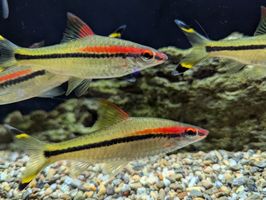
Roseline Shark (Denison Barb): Species & Care Guide | Caesar's Tropical FishRoseline Shark (Denison Barb): Species & Care Guide | Caesar's Tropical Fish
Roseline Shark (Denison Barb): Species & Care Guide | Caesar's Tropical Fish

Learn how to care for the Roseline Shark (Denison Barb). Explore tank size, water flow requirements, and tank mate compatibility for this active, peaceful freshwater schooling fish.

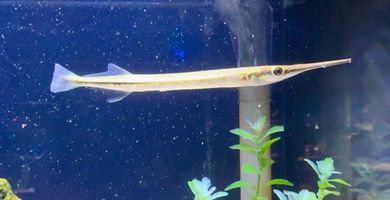
Needlenose Gar (Longnose Gar): Species Guide | Caesar's Tropical FishNeedlenose Gar (Longnose Gar): Species Guide | Caesar's Tropical Fish
Needlenose Gar (Longnose Gar): Species Guide | Caesar's Tropical Fish

Discover the fascinating Needlenose Gar (Longnose Gar), an ancient, prehistoric predator known for its armored scales, needle-like snout, and unique ambush hunting behavior.

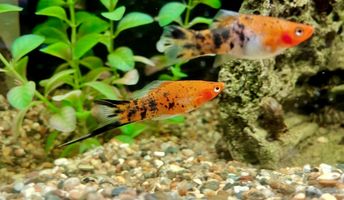
Swordtails: The Classic Community Livebearer | Caesar's Tropical FishSwordtails: The Classic Community Livebearer | Caesar's Tropical Fish
Swordtails: The Classic Community Livebearer | Caesar's Tropical Fish

Learn how to care for Swordtails (Xiphophorus hellerii), a popular freshwater livebearer known for the male's distinct "sword" tail. Discover tank setup, feeding, and breeding tips for your home aquarium.

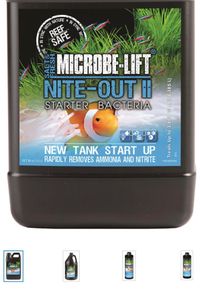
Beneficial Bacteria: How Nite-Out II Protects Your TankBeneficial Bacteria: How Nite-Out II Protects Your Tank
Beneficial Bacteria: How Nite-Out II Protects Your Tank

MICROBE-LIFT/Nite-Out II is specially formulated to rapidly reduce ammonia and nitrite levels in aquarium water, including tanks that contain marine life. It works by decreasing ammonia and nitrite toxicity, helping establish a healthier environment for the fish, invertebrates, and coral living in your system.

Oscar Fish: The Amazon's Most Intelligent "Wet Pet"Oscar Fish: The Amazon's Most Intelligent "Wet Pet"
Oscar Fish: The Amazon's Most Intelligent "Wet Pet"

The Oscar (Astronotus ocellatus) is a large, highly intelligent freshwater fish from the cichlid family, native to the Amazon River basin in South America. Few community fish develop the kind of personality an Oscar does — which is exactly why they've earned a reputation as one of the closest things to a "wet pet" in the hobby.