🐟 Your Next Aquarium Upgrade Starts Here — Shop In-Stock Supplies Online + Discover Fish, Coral, Plants & Pond Favorites In Store

Home  /  Blog Posts  /  Freshwater Fish
Freshwater Fish · Care & Species Guide

Needlenose Gar: The Ancient Armored Predator

Often called the Longnose Gar, this prehistoric survivor combines a torpedo-like body with a needle-thin, tooth-filled snout, floating motionless like a log before striking its prey with lightning speed.

The Longnose Gar (Lepisosteus osseus) is a primitive, prehistoric freshwater and brackish fish. Easily recognized by its torpedo-shaped body and extremely long beak, it offers a fascinating glimpse into the ancient aquatic world of North America.

Physical Characteristics & Size

The Needlenose Gar is built like an armored dart. Its body is covered in hard, diamond-shaped ganoid scales. Coloration typically features an olive-brown to green top that fades to a white or silvery belly, often peppered with dark spots on its fins and body.

This is a massive, formidable species. Adults commonly measure 3 to 5 feet (30 to 60 inches) in length, though exceptional specimens can grow nearly 6 feet long and weigh between 30 and 50 pounds, with females generally growing larger than males. You might also hear them referred to by nicknames like Billyfish, Pin-nose gar, and Scissorlips.

Habitat & Air Breathing

Found widely across eastern and central North America—ranging from Quebec and the Great Lakes all the way down to the Gulf Coast and the Rio Grande—they are incredibly adaptable. They prefer quiet, slow-moving rivers, sluggish backwaters, lakes, swamps, and estuarine environments with overhanging trees and submerged structures.

One of their most remarkable survival traits is their vascularized swim bladder. This specialized organ acts somewhat like a lung, allowing the gar to gulp atmospheric air at the surface and survive in stagnant, low-oxygen waters during warm summer months.

Diet & Behavior

Needlenose Gars are nocturnal, sight-feeding ambush predators. Their hunting strategy is masterful: they float motionless near the surface, expertly mimicking a drifting log. When prey swims too close, they execute a lightning-fast side-swipe with their tooth-filled beak to impale their target.

While they are highly effective predators, their diet primarily consists of small fish, shad, shiners, insects, and crustaceans.

Spawning & Lifespan

These ancient fish spawn in the spring, congregating in shallow water over gravel or vegetation to lay their eggs. Once they pass their vulnerable juvenile stage, they are incredibly long-lived. A Needlenose Gar typically lives 15 to 20 years, though some females have been recorded living up to 30 or 40 years.

Thinking of keeping a monster fish?

Due to their immense adult size of 3 to 5+ feet, Needlenose Gars require massive custom aquariums or heated indoor ponds. Speak with the experts at Caesar's about custom acrylic builds, special orders, and the serious long-term commitment required for true monster fish.

← Back to Blog Posts
Keep Learning

Explore More Blog Posts

Research the species before you stock the tank, then stop by Caesar's Tropical Fish in Santa Rosa for current availability and setup-specific advice.
Browse Blog Posts

More Posts

Sea Anemones: Anatomy, Diet & Symbiosis | Caesar's Tropical FishSea Anemones: Anatomy, Diet & Symbiosis | Caesar's Tropical Fish
Sea Anemones: Anatomy, Diet & Symbiosis | Caesar's Tropical Fish

Discover the fascinating world of sea anemones. Learn about their anatomy, predatory stinging tentacles, and famous symbiotic relationships with clownfish and algae.

Ocellaris Clownfish (False Percula): Species & Care Guide | Caesar's Tropical FishOcellaris Clownfish (False Percula): Species & Care Guide | Caesar's Tropical Fish
Ocellaris Clownfish (False Percula): Species & Care Guide | Caesar's Tropical Fish

Learn how to care for the Ocellaris Clownfish. Discover saltwater tank requirements, diet, and fascinating facts about anemone symbiosis and sex reversal.

Silver Prochilodus (Flagtail Characin): Care Guide | Caesar's Tropical FishSilver Prochilodus (Flagtail Characin): Care Guide | Caesar's Tropical Fish
Silver Prochilodus (Flagtail Characin): Care Guide | Caesar's Tropical Fish

Learn how to care for the Silver Prochilodus, also known as the Flagtail Characin. Discover tank size, feeding habits, and why this striking Amazonian fish is the ultimate algae grazer for large aquariums.

Roseline Shark (Denison Barb): Species & Care Guide | Caesar's Tropical FishRoseline Shark (Denison Barb): Species & Care Guide | Caesar's Tropical Fish
Roseline Shark (Denison Barb): Species & Care Guide | Caesar's Tropical Fish

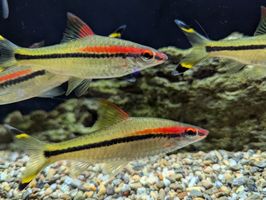
Learn how to care for the Roseline Shark (Denison Barb). Explore tank size, water flow requirements, and tank mate compatibility for this active, peaceful freshwater schooling fish.

Burmese Archerfish: Species & Care Guide | Caesar's Tropical FishBurmese Archerfish: Species & Care Guide | Caesar's Tropical Fish
Burmese Archerfish: Species & Care Guide | Caesar's Tropical Fish

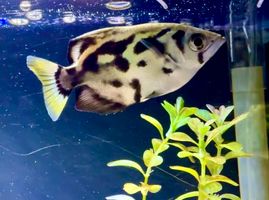
Learn how to care for the Burmese Archerfish (Toxotes blythii), a striking freshwater species famous for spitting water jets to hunt insects. Discover tank setup, feeding, and compatibility tips.

Swordtails: The Classic Community Livebearer | Caesar's Tropical FishSwordtails: The Classic Community Livebearer | Caesar's Tropical Fish
Swordtails: The Classic Community Livebearer | Caesar's Tropical Fish

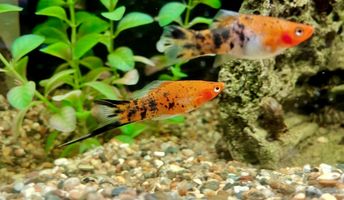
Learn how to care for Swordtails (Xiphophorus hellerii), a popular freshwater livebearer known for the male's distinct "sword" tail. Discover tank setup, feeding, and breeding tips for your home aquarium.

Beneficial Bacteria: How Nite-Out II Protects Your TankBeneficial Bacteria: How Nite-Out II Protects Your Tank
Beneficial Bacteria: How Nite-Out II Protects Your Tank

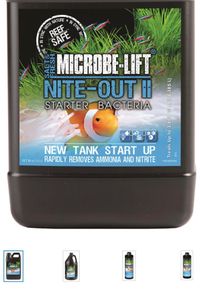
MICROBE-LIFT/Nite-Out II is specially formulated to rapidly reduce ammonia and nitrite levels in aquarium water, including tanks that contain marine life. It works by decreasing ammonia and nitrite toxicity, helping establish a healthier environment for the fish, invertebrates, and coral living in your system.

Oscar Fish: The Amazon's Most Intelligent "Wet Pet"Oscar Fish: The Amazon's Most Intelligent "Wet Pet"
Oscar Fish: The Amazon's Most Intelligent "Wet Pet"

The Oscar (Astronotus ocellatus) is a large, highly intelligent freshwater fish from the cichlid family, native to the Amazon River basin in South America. Few community fish develop the kind of personality an Oscar does — which is exactly why they've earned a reputation as one of the closest things to a "wet pet" in the hobby.