🐟 Your Next Aquarium Upgrade Starts Here — Shop In-Stock Supplies Online + Discover Fish, Coral, Plants & Pond Favorites In Store

Home  /  Blog Posts  /  Freshwater Fish
Freshwater Fish · Care & Species Guide

Silver Prochilodus: The Flagtail Characin

Famous for its boldly striped tail fin, this large, energetic species from the Amazon basin is a stunning community fish and an exceptionally hard-working algae grazer for spacious aquariums.

The Silver Prochilodus (Semaprochilodus taeniurus), most commonly known in the hobby as the Flagtail Characin, is an active freshwater fish native to the central Amazon Basin and its tributaries. While they are a staple migratory food fish in South America, their striking fins and peaceful nature make them a highly sought-after showpiece for large home aquariums.

Appearance & Size

The body of the Flagtail Characin is a shimmering, flattened silver, occasionally marked with faint stripes or black spots as juveniles. Their defining feature, however, is their spectacular fins. They possess a large, fan-shaped tail displaying bold, alternating black and orange (or red) stripes. The tall, dark dorsal fin and the anal fin share similar orange and black markings.

These are large fish that demand respect in terms of tank sizing. They can easily grow to 12 to 14 inches (30–35 cm) or more in captivity, and with proper care, they are long-lived, boasting a lifespan of 10 years or more.

Aquarium Care & Setup

Due to their eventual massive size and constant energetic swimming, Flagtails require a very spacious aquarium with plenty of wide-open swimming room. They originate from moving waters in the wild, so they require strong filtration and high oxygenation in the tank.

Keep water temperatures tropical between 73°F and 82°F (23–28°C), with a pH of 7.0 to 8.5. When aquascaping, be warned: they will enthusiastically eat or uproot most live plants. It is best to stick to extremely hardy species (like Anubias or Java Fern tied to wood) or avoid live plants altogether. Because they can jump, a tight-fitting lid is absolutely essential.

Diet: The Ultimate Algae Grazer

Flagtail Characins are omnivorous but have a very strong herbivorous and detritivorous tendency. They are excellent additions to large setups as a "clean-up crew" because they will constantly rasp algae and biofilm off glass, rocks, and decor. Their diet must be heavily supplemented with plant matter, including algae wafers and blanched vegetables (like zucchini), alongside quality flakes, pellets, and the occasional meaty treat.

Social Behavior & Tank Mates

Generally peaceful, Flagtails are highly active and energetic. However, they can display mild intraspecies aggression (territoriality toward their own kind) if kept alone or in an improperly sized group in a tank that is too small. Because they are schooling fish by nature, they thrive best when kept in groups.

They make fantastic tank mates for other large, peaceful or semi-aggressive fish (such as large cichlids, silver dollars, or big catfish) that won't be bothered by their active swimming and constant grazing.

Planning to add a Flagtail?

Because they grow upwards of 14 inches and need plenty of horizontal swimming space, ensure your tank is large enough to accommodate them. Bring your tank dimensions and current stocking list when you visit Caesar's so we can help you determine if a Flagtail is the right fit.

← Back to Blog Posts
Keep Learning

Explore More Blog Posts

Research the species before you stock the tank, then stop by Caesar's Tropical Fish in Santa Rosa for current availability and setup-specific advice.
Browse Blog Posts

More Posts

Sea Anemones: Anatomy, Diet & Symbiosis | Caesar's Tropical FishSea Anemones: Anatomy, Diet & Symbiosis | Caesar's Tropical Fish
Sea Anemones: Anatomy, Diet & Symbiosis | Caesar's Tropical Fish

Discover the fascinating world of sea anemones. Learn about their anatomy, predatory stinging tentacles, and famous symbiotic relationships with clownfish and algae.

Ocellaris Clownfish (False Percula): Species & Care Guide | Caesar's Tropical FishOcellaris Clownfish (False Percula): Species & Care Guide | Caesar's Tropical Fish
Ocellaris Clownfish (False Percula): Species & Care Guide | Caesar's Tropical Fish

Learn how to care for the Ocellaris Clownfish. Discover saltwater tank requirements, diet, and fascinating facts about anemone symbiosis and sex reversal.

Roseline Shark (Denison Barb): Species & Care Guide | Caesar's Tropical FishRoseline Shark (Denison Barb): Species & Care Guide | Caesar's Tropical Fish
Roseline Shark (Denison Barb): Species & Care Guide | Caesar's Tropical Fish

Learn how to care for the Roseline Shark (Denison Barb). Explore tank size, water flow requirements, and tank mate compatibility for this active, peaceful freshwater schooling fish.

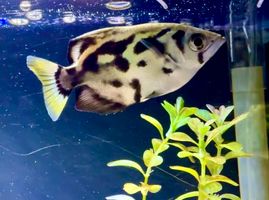
Burmese Archerfish: Species & Care Guide | Caesar's Tropical FishBurmese Archerfish: Species & Care Guide | Caesar's Tropical Fish
Burmese Archerfish: Species & Care Guide | Caesar's Tropical Fish

Learn how to care for the Burmese Archerfish (Toxotes blythii), a striking freshwater species famous for spitting water jets to hunt insects. Discover tank setup, feeding, and compatibility tips.

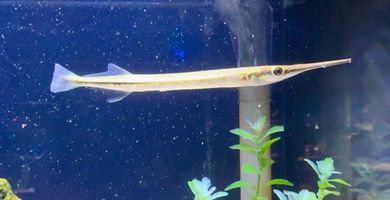
Needlenose Gar (Longnose Gar): Species Guide | Caesar's Tropical FishNeedlenose Gar (Longnose Gar): Species Guide | Caesar's Tropical Fish
Needlenose Gar (Longnose Gar): Species Guide | Caesar's Tropical Fish

Discover the fascinating Needlenose Gar (Longnose Gar), an ancient, prehistoric predator known for its armored scales, needle-like snout, and unique ambush hunting behavior.

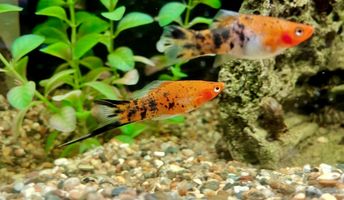
Swordtails: The Classic Community Livebearer | Caesar's Tropical FishSwordtails: The Classic Community Livebearer | Caesar's Tropical Fish
Swordtails: The Classic Community Livebearer | Caesar's Tropical Fish

Learn how to care for Swordtails (Xiphophorus hellerii), a popular freshwater livebearer known for the male's distinct "sword" tail. Discover tank setup, feeding, and breeding tips for your home aquarium.

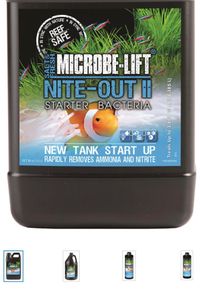
Beneficial Bacteria: How Nite-Out II Protects Your TankBeneficial Bacteria: How Nite-Out II Protects Your Tank
Beneficial Bacteria: How Nite-Out II Protects Your Tank

MICROBE-LIFT/Nite-Out II is specially formulated to rapidly reduce ammonia and nitrite levels in aquarium water, including tanks that contain marine life. It works by decreasing ammonia and nitrite toxicity, helping establish a healthier environment for the fish, invertebrates, and coral living in your system.

Oscar Fish: The Amazon's Most Intelligent "Wet Pet"Oscar Fish: The Amazon's Most Intelligent "Wet Pet"
Oscar Fish: The Amazon's Most Intelligent "Wet Pet"

The Oscar (Astronotus ocellatus) is a large, highly intelligent freshwater fish from the cichlid family, native to the Amazon River basin in South America. Few community fish develop the kind of personality an Oscar does — which is exactly why they've earned a reputation as one of the closest things to a "wet pet" in the hobby.